
Skin tags, benign growths caused by friction or trauma, have various types and removal options in London. Non-surgical methods include cryotherapy and surgical excision, while natural solutions like duct tape and apple cider vinegar are also available. Home remedies emphasize hygiene, moisturizers, and over-the-counter medications for London tag removal. Preventing skin tags requires regular hygiene, exfoliation, loose clothing, and sunscreen to minimize friction and irritation.
Skin tags, those small, soft bumps that can appear on various parts of the body, including arms and legs, are a common concern. While they are usually harmless, many seek effective removal methods for aesthetic or comfort reasons. This article explores the best ways to treat skin tags, from non-surgical options in London to at-home care tips and medical procedures. We also delve into prevention strategies to avoid future growth of these tags, providing a comprehensive guide for those looking for solutions for tag removal in London.
- Understanding Skin Tags: Causes and Types
- Non-Surgical Removal Options in London
- At-Home Treatments and Care Tips
- Medical Procedures for Persistent Tags
- Preventing Future Skin Tag Growth
Understanding Skin Tags: Causes and Types

Skin tags, also known as acrochordons, are small, soft skin growths that typically appear on the neck, armpits, and groin area, but they can also develop on the arms and legs. These benign growths are usually harmless, but many people choose to have them removed for aesthetic reasons or because they find them irritating. Understanding their causes and types is essential when considering the best treatment options, especially when exploring London tag removal procedures.
There are several factors that contribute to skin tag formation. Common causes include friction, skin trauma, and hormonal changes. They often develop in areas where skin rubs against itself or clothing, such as the underarms, groin, or neck. Skin tags can be classified into various types based on their appearance and location. For example, acral skin tags occur on parts of the body not typically exposed to sunlight, while anus-inguinal tags are found in the genital region. Recognizing these variations is crucial when selecting suitable treatment methods for effective London tag removal.
Non-Surgical Removal Options in London

In London, there are several non-surgical removal options available for skin tags on both arms and legs. One popular method is cryotherapy, where a liquid nitrogen probe is used to freeze and destroy the tag. This quick and relatively painless procedure is often covered by medical insurance and can be performed in a doctor’s office. Another effective approach is surgical excision, involving a small incision to cut out the tag, which leaves minimal scarring. Both methods are considered safe and have high success rates.
For those seeking more natural solutions, topicals like salicylic acid or duct tape (a novel but effective home remedy) can help remove skin tags over time. It’s important to note that while these options might be accessible and convenient, they may not offer the same level of precision as professional procedures. London Tag Removal offers a range of choices catering to different preferences and budgets, ensuring individuals can find the best solution for their skin concerns.
At-Home Treatments and Care Tips

When it comes to at-home treatments for London tag removal, there are several simple yet effective methods to consider. One popular option is using duct tape. This involves applying a piece of duct tape over the skin tag and leaving it on for several days, which eventually leads to its removal. Another natural remedy is apple cider vinegar; soaking the affected area in a diluted solution or applying it directly can help eliminate tags gently over time.
Additionally, maintaining good hygiene and keeping the skin moisturized is crucial. Regularly washing the arms and legs with mild soap and warm water prevents irritation and infection. After cleansing, gently pat dry and apply a hydrating lotion to keep the skin soft and supple. Some people also find relief by using over-the-counter medications like salicylic acid or tag removers formulated for this purpose. These products can aid in peeling away skin tags but should be used as directed to avoid potential skin irritation.
Medical Procedures for Persistent Tags
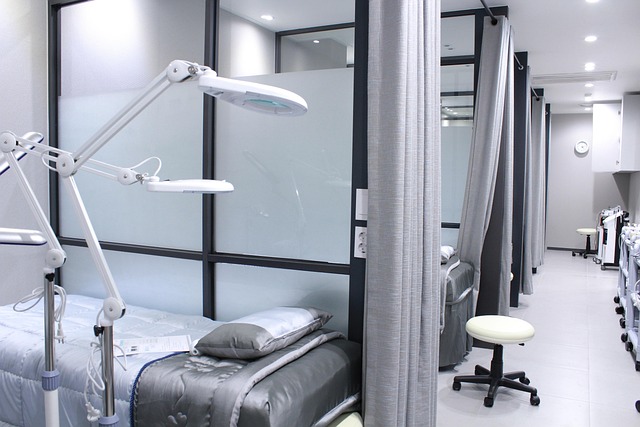
For those with persistent or bothersome skin tags, several medical procedures offer effective solutions in London and beyond. One popular method is cryotherapy, where a dermatologist uses liquid nitrogen to freeze and destroy the tag. This non-invasive procedure is quick and usually painless, making it a preferred choice for many. Another option is surgical excision, where a doctor cuts out the skin tag with a scalpel or laser, ensuring precise removal.
While these procedures are generally safe, they may come with minor risks like scarring, bleeding, or infection. It’s crucial to consult a qualified dermatologist who can advise on the best method based on the size and location of the tags. They will also provide aftercare instructions to ensure optimal healing.
Preventing Future Skin Tag Growth
Skin tags on arms and legs can be unsightly and sometimes irritating, but preventing their future growth is an effective strategy for long-term skin health. One key step in London tag removal and prevention is maintaining good hygiene practices. Regularly cleaning and moisturizing your skin can help keep it healthy and reduce the likelihood of tags forming. Exfoliating gently to remove dead skin cells also plays a crucial role, as it prevents built-up layers from trapping moisture and encouraging tag development.
Another important aspect of preventing future growth is protecting your skin from friction and constant irritation. Wearing loose clothing and using moisturizers with sunscreen can help reduce friction and prevent chafing, which are common causes of skin tag formation. Additionally, being mindful of any recurring areas of irritation due to activities like cycling or swimming can help address the root cause before tags even appear.
In conclusion, skin tags on arms and legs can be effectively managed through a range of methods, from non-surgical removal in London to at-home care. Understanding the causes and types of these benign growths is key, enabling individuals to make informed decisions about suitable treatments like cryotherapy or laser surgery. For persistent cases, medical procedures offer effective solutions. Preventative measures such as regular exfoliation and hydration can also help reduce skin tag formation. When it comes to London tag removal, consulting a professional ensures safe, efficient results, while at-home care complements these treatments for comprehensive management.